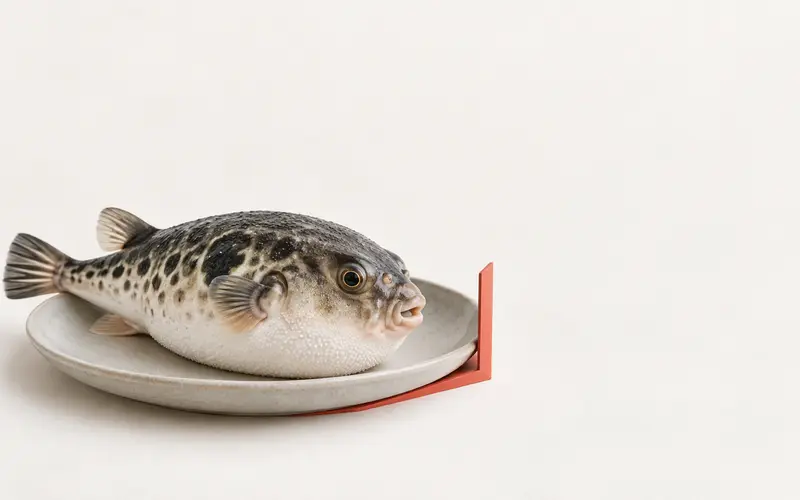
Japan Makes Risky Fish a Tradition
Thursday, October 8, 2026178 words3 minutes2406 reads
Fugu, or pufferfish, is a Japanese delicacy, but it can be dangerous when handled wrongly. Its toxin, tetrodotoxin, affects the nervous system. The amount and place of toxin can differ by fish species and body part. The liver and ovaries can contain high levels.
Japan deals with this risk through training and regulation. Rules are set at the prefectural level, and qualified fugu handlers prepare the fish. To be certified, cooks need to identify kinds of fugu, tell edible parts from inedible ones, and clean the fish safely. Shops that handle unprepared fugu must meet rules for their facilities.
These rules matter because heating, salting, or soaking does not make fugu toxin safe. The dangerous parts must be removed before the edible pieces are served. This is why eating fugu at an approved restaurant is different from preparing a fish at home.
The 2026 documentary Gun Fish follows the world of fugu workers and a chef in training. It asks a wider cultural question: how can skill, shared knowledge, and rules turn a difficult food into a tradition?