Should You Avoid Eating Burnt Food?
Thursday, October 8, 2026180 words3 minutes3132 reads
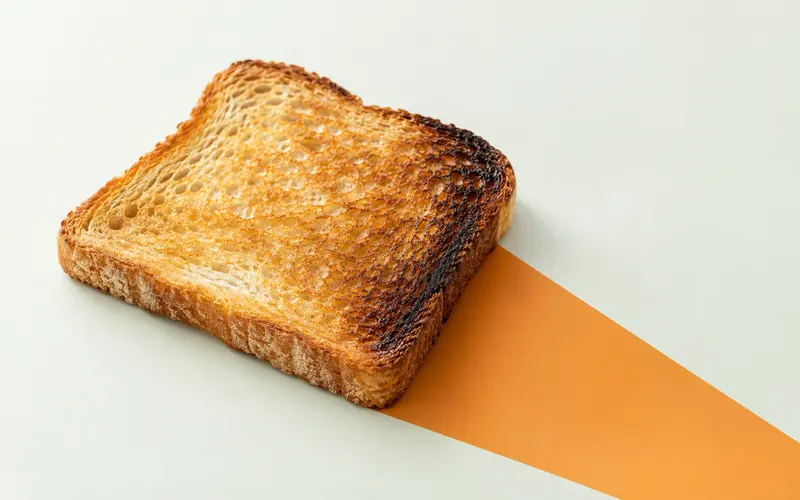
Some foods turn brown through a heat reaction. In plant foods, sugars can react with an amino acid called asparagine. This can form acrylamide, especially during frying, roasting, and baking at high temperature. Potato products, toasted grain foods, and coffee can contain it. Cooking with water, such as boiling or steaming, does not usually form much acrylamide.
There is a reason scientists study it. In animal studies, high doses of acrylamide caused cancer. However, those doses were much higher than levels found in food. Studies of people have not given a consistent answer about whether dietary acrylamide causes cancer.
Measuring a person's acrylamide intake is hard. Questionnaires ask people what food they remember eating, but acrylamide levels can differ between foods and cooking methods. Blood markers may help researchers measure longer-term exposure, yet they have not settled the question.
Food agencies treat acrylamide as a potential health concern and encourage reductions. FDA advice is not to stop eating all fried, roasted, or baked food. A practical goal is a balanced diet and not cooking starchy foods much darker than needed.