Why Did Protests in France Turn Violent?
Tuesday, October 20, 2026206 words3 minutes462 reads
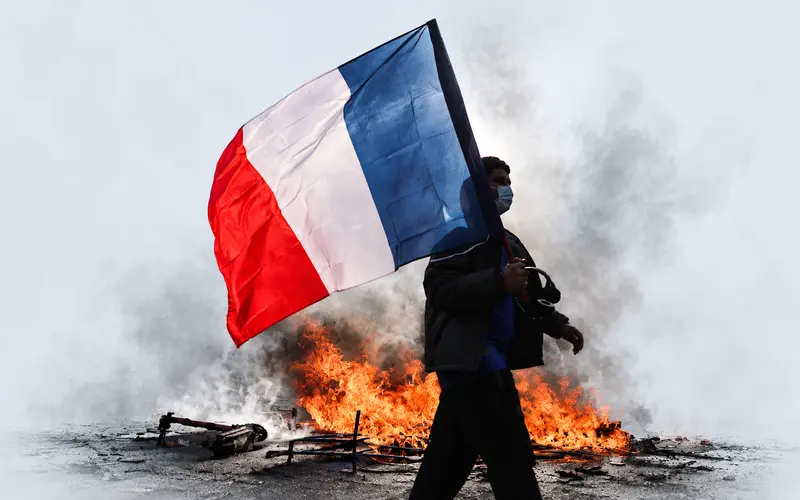
France's October 17 demonstrations united students, trade unions and other protesters around grievances over schools, incomes and public services. The Interior Ministry estimated nationwide participation at 550,000; organizers suggested roughly 800,000. Although most participants marched peacefully, smaller groups engaged in clashes, arson and looting.
Students had protested teacher shortages, overcrowded classrooms and deteriorating buildings. Workers challenged living costs, wages and pensions. Some Yellow Vest participants also joined the demonstrations. That movement began over fuel taxes in 2018 before broadening into concerns about inequality. France's tradition of mobilization helps explain the protests' scale, but does not establish why particular confrontations became violent.
Officials attributed much of the destruction to radical groups arriving prepared for confrontation. Critics questioned police methods, including tear gas and water cannons; injuries during earlier student demonstrations had already intensified anger. These competing accounts should not be mistaken for a single, settled explanation of every incident.
A fire severely damaged Limoges's nineteenth-century city hall, and arrests nationwide exceeded 2,400 by October 19. The prime minister requested limited local curfews where further violence was judged likely. President Emmanuel Macron condemned the destruction and appealed for calm. The unrest redirected debate toward security, potentially obscuring the grievances that peaceful demonstrators had wanted the government to address.