Vermont Homes Form a Virtual Power Plant
Thursday, October 1, 2026217 words3 minutes2013 reads
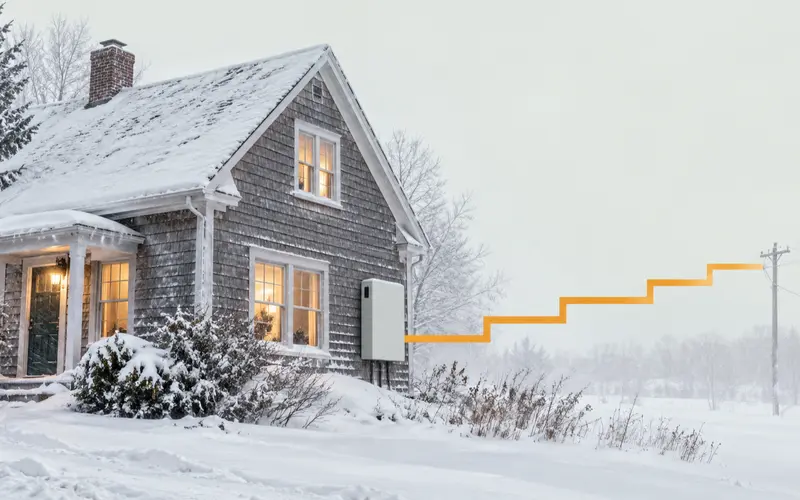
Green Mountain Power is expanding a virtual power plant built from distributed energy resources. Its network combines home batteries, utility-scale batteries, electric-vehicle chargers, flexible commercial buildings, and hydropower. Software coordinates them when the grid needs help.
GMP said that, as of July 2026, more than 5,000 customers had more than 10,000 batteries in its programmes. The VPP had 110MW of capacity, with more than half coming from residential storage. This figure measures how much power the system can deliver, not a claim that the VPP produces electricity like a conventional generator.
During a July heat event, GMP said it deployed 90MW of carbon-free stored energy and saved an estimated $6 million in one peak hour. The company says its storage network has allowed it to permanently close two peaker plants, which are usually used only at high-demand times. Those fossil-fuel plants can be expensive and polluting.
For households, the same batteries can offer backup during outages. GMP says it takes steps to preserve home backup when weather is forecast to cause outages. The model still has limits: its benefits depend on enough customers enrolling, equipment working, software coordination, and rules that let utilities use distributed resources. It is a way to manage existing energy more flexibly, not a complete replacement for every part of the power system.