Cockpit Attack Forces Flight to Make Emergency Landing
Friday, October 2, 2026218 words3 minutes2416 reads
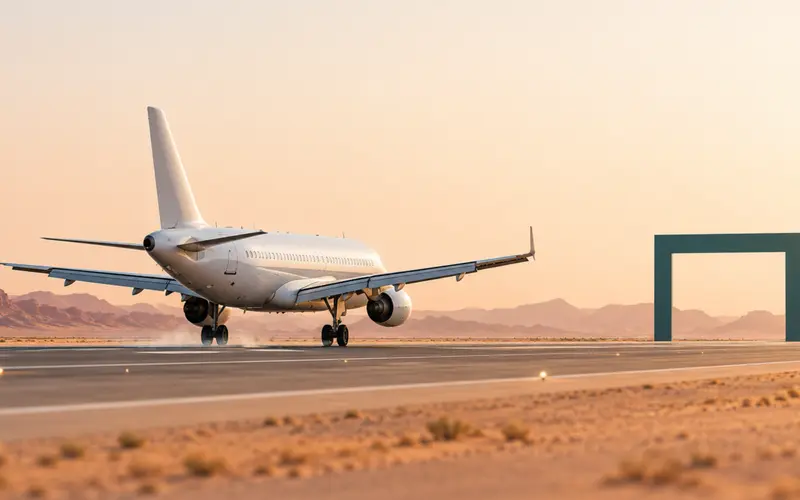
Flydubai flight FZ1073, travelling from Dubai to Tel Aviv, diverted to Tabuk, Saudi Arabia, on September 30 after a cockpit emergency. Flydubai confirmed that an altercation occurred in the flight deck and said crew members secured the aircraft, diverted it and landed safely. Saudi Arabia's National Transport Safety Center has opened an investigation.
Associated Press reporting, citing Flightradar24 data, said the Boeing 737 Max 8 descended from 33,000 feet to 17,000 feet in about a minute. The aircraft transmitted 7700, the general emergency code, and then 7500, which indicates unlawful interference. These transponder signals alert air traffic control but do not establish why an emergency happened.
The airport said the captain and first officer were injured and taken to hospital. All 174 passengers and crew were safe, and a replacement aircraft continued the journey. Israeli Prime Minister Benjamin Netanyahu said one pilot stabbed the other and apparently tried to crash the aircraft. However, Flydubai did not publicly identify a motive, and independent confirmation of a crash or hijacking attempt was not available.
This distinction matters in early reporting. An investigation needs physical evidence, cockpit information, crew accounts and flight data before it can determine what happened and why. Until then, the confirmed facts are the cockpit incident, emergency signals, diversion and safe landing—not a final explanation of intent.