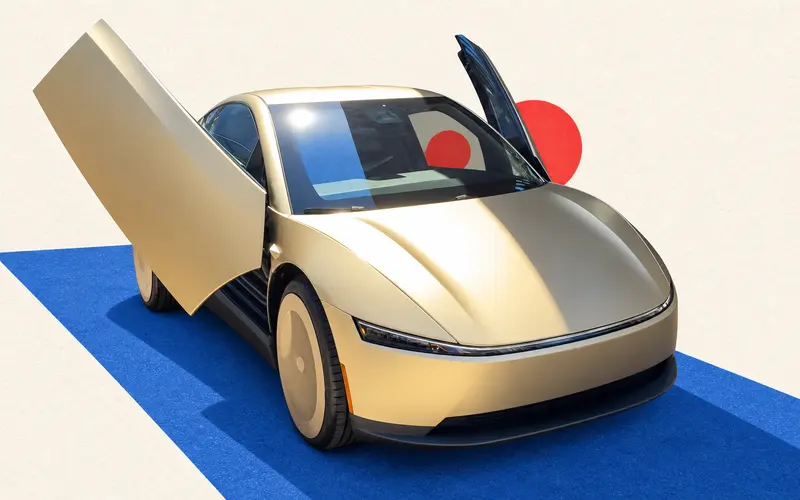
Tesla Cybercabs Carry Passengers With No Steering Wheel
Wednesday, September 16, 2026218 words3 minutes1350 reads
Tesla’s Cybercab now carries passengers in limited parts of Austin, Texas. The two-seat Robotaxi has no steering wheel, pedals, mirrors, or driver. Tesla says more than 40 Cybercabs are in service, and passengers can request rides through its Robotaxi app. The service remains limited, and a request may result in another Tesla vehicle.
The design assumes an autonomous car does not need a person to take control. Cybercab has butterfly-style doors and a large screen, but no traditional driving controls. Before this launch, Tesla’s Robotaxi service used conventional vehicles with steering wheels and pedals.
That design has prompted regulatory scrutiny. On September 4, the National Highway Traffic Safety Administration opened an investigation into Tesla’s self-certification that Cybercab meets federal motor-vehicle safety standards. Tesla did not seek a special exemption before deployment and says the relevant standards apply to the vehicle. The investigation is not a finding that Cybercab is unsafe; it tests Tesla’s compliance claim as rules often assume cars have human controls.
Cybercab is also scheduled for static displays in Beijing and Shanghai from September 17. Tesla has not announced passenger service or sales in mainland China. The contrast is important: the Austin launch tests a driverless service on public roads, while visitors in China will only see the vehicle. The question is whether rules can adapt.