Japan Makes Risky Fish a Tradition
Thursday, October 8, 2026213 words3 minutes2406 reads
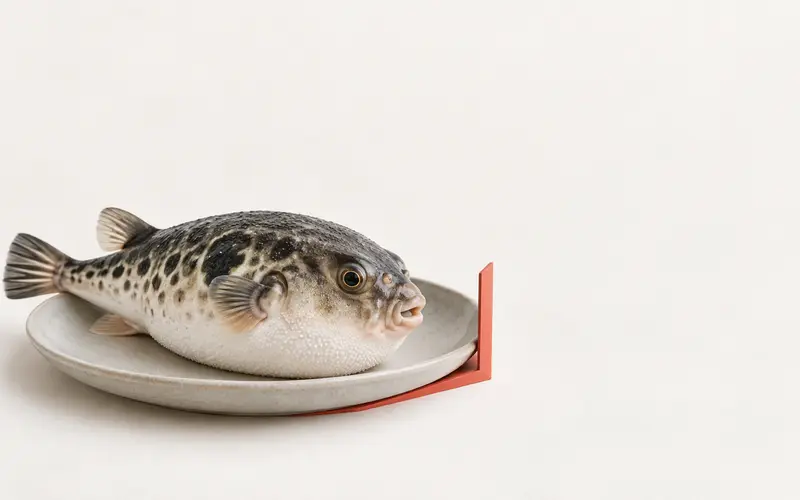
Fugu is one of Japan's best-known examples of a food with built-in risk. The word covers a number of pufferfish species, some of which may contain tetrodotoxin. The toxin can block nerve signals, and poisoning can be fatal. Where the toxin appears depends on species and body part, and the liver and ovaries are particularly hazardous.
The key fact about fugu is not that it is a thrill food. Modern fugu service is controlled. Japan's health ministry identifies the fish types and parts that may be eaten, and forbids sale or service of toxic parts such as liver. The ministry warns that normal cooking methods, including heating, do not destroy the toxin.
Responsibility is local as well as national. Nippon.com reports that fugu-handling rules are set at the prefectural level and generally require trained cooks to identify species, separate edible and inedible parts, and clean the fish safely. In Tokyo, businesses handling fugu need an approved fugu handling manager and certified facility.
Gun Fish, a 2026 documentary, follows this world of training and debate. It also raises a broader question about food culture. A hard or potentially dangerous food does not become safe merely because it is traditional. It becomes less risky only through specific knowledge, controlled preparation, and rules that are followed.