First Person Arrested After AI Alert
Saturday, August 29, 2026218 words3 minutes4032 reads
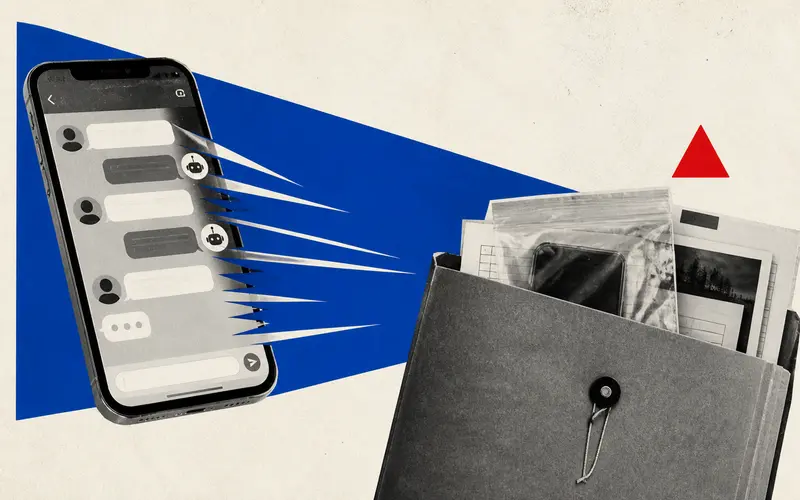
A Florida case has placed an uncomfortable question in public view: can an AI chatbot conversation remain private when it contains a plan to harm an identifiable person? Darren Shida Zhou, a 25-year-old former financial analyst, discussed his breakup with ChatGPT in March 2026. Court records cited by The Palm Beach Post say his messages moved from emotional complaints to specific threats.
OpenAI says conversations suggesting an imminent and credible risk of serious harm to others may be escalated to a specialized human review team. Reviewers can escalate a case when the danger appears real and may refer a case to law enforcement. This differs from the company's approach to self-harm conversations, which it generally does not report to police because of special privacy concerns.
The FBI transferred the records to county investigators, who compared them with messages sent to the former girlfriend. Zhou was arrested, pleaded guilty to three charges, and received eight years of probation. He must avoid the victim, wear an electronic monitor, and complete intervention programs.
The case does not mean every angry phrase will trigger a police report. It illustrates a boundary between private expression and a detailed, credible threat. The headline's claim of being first is not a verified global fact; it is an editorial description of a widely reported early case.