What Happens When a City Hides Its Trains Underground?
Friday, October 23, 2026213 words3 minutes158 reads
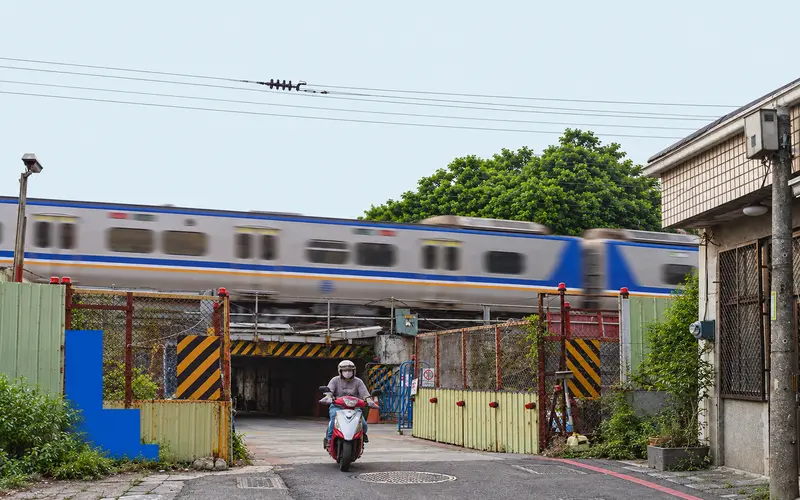
Tainan's railway illustrates how infrastructure can connect a region while dividing a city. Its north-south route has long supported transport, yet tracks, crossings and associated structures have complicated movement between eastern and western neighbourhoods. An 8.23-kilometre underground section, expected to open on October 17, could begin to change that relationship.
Approved in 2009, the project will eventually eliminate 23 crossings and related structures. However, the first-stage opening is not equivalent to completing the urban transformation. Surface tracks must be dismantled, roads restored and pedestrian facilities improved. The full project is scheduled for completion in March 2031.
Transport authorities plan a green corridor roughly 30 metres wide along the former railway route, incorporating walking and cycling paths and landscaped areas. It could connect neighbourhoods, schools and public facilities, although these benefits depend on subsequent work. The historic station building, rebuilt in 1936, will remain alongside the underground station; reading spaces and exhibitions are among the uses under discussion.
The challenge is therefore both spatial and cultural. Removing a physical barrier creates an opportunity for useful public space, but does not automatically deliver it. Retaining the old station also offers a way to connect daily travel with local history. The project's broader success will depend on what happens above ground after trains move below it.