South Korea's Cashless Stores Leave Some Seniors Behind
Sunday, November 15, 2026213 words3 minutes42 reads
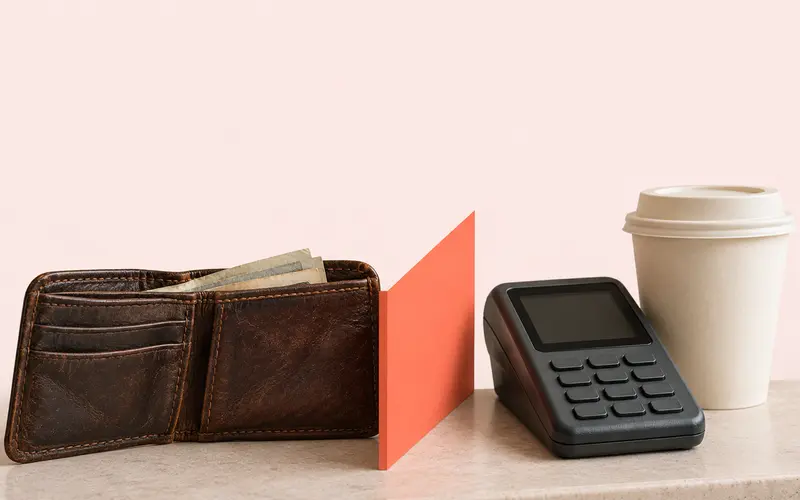
South Korea's move toward cashless services can make routine purchases harder for consumers who depend on banknotes and coins. The Korea Times described a 67-year-old man who attempted to pay cash for coffee but encountered a store accepting only cards and mobile payments. He subsequently made sure to carry a card.
The transition reaches transport and banking. As of April 2026, 180 of Seoul's 394 bus routes operated without cash payments, while some bank branches no longer handled cash or checks. These are examples of particular service policies, not evidence that physical currency has disappeared nationwide.
The distributional consequences matter. Figures attributed to the Bank of Korea show cash accounting for 32.4% of monthly expenditure among people aged seventy and older, compared with 14.7% among those in their twenties. These are proportions of spending, not counts of cash users, and do not imply uniform behaviour within either age group.
The central bank has advocated both promoting cash acceptance and supporting digitally disadvantaged consumers in using newer payment methods. This combines preserving an existing option with improving access to alternatives. The challenge is therefore broader than encouraging technological adoption: a payment system can be efficient for many users while imposing disproportionate barriers on others. Possessing sufficient money does not ensure a transaction is accessible.