Should You Tip a Robot?
Monday, August 31, 2026215 words3 minutes4434 reads
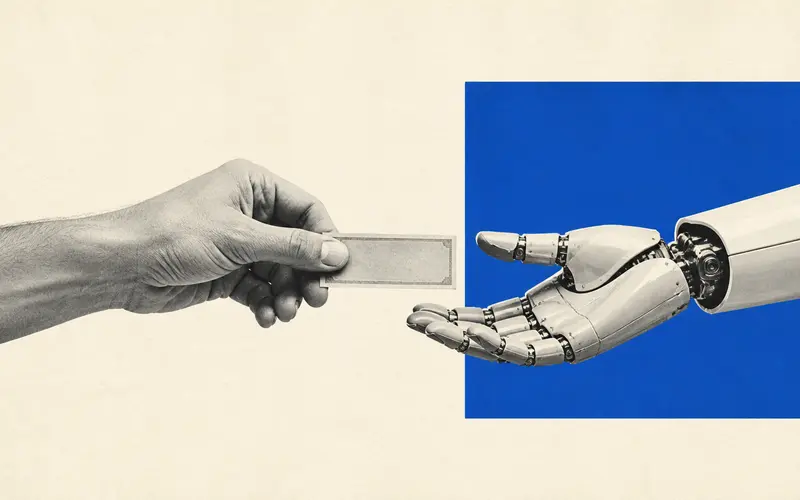
Tip prompts from robots and self-service machines are pushing an old practice into a new setting. The BBC reported seeing a 10% service fee and a tipping request after a robotic bar made a cocktail in Las Vegas. Similar prompts can appear at robot cafés and unattended checkout kiosks.
The technology changes the question from whether a customer likes the robot to who benefits from the payment. A robot does not receive wages or spend money, yet human staff may maintain it, prepare products, assist customers or share in a tip pool. Without transparency, a customer cannot tell whether a suggested gratuity supports workers, reaches the company, or is allocated elsewhere.
Research cited by Rochester Institute of Technology found that people preferred voluntary rather than mandatory robot tipping. It also found that the stated use of the money mattered: respondents were most willing to tip when funds supported a social cause. Other research has linked non-human tip suggestions with perceptions of manipulative intent and lower customer satisfaction.
These findings do not establish one universal rule about tipping. They do support a practical principle: businesses should explain fees and tip allocation clearly. That information matters especially as automation reshapes service work, because consumers and workers may have different interests in how the extra money is handled.