Electric Boats Rise Above Water on Underwater Wings
Friday, October 30, 2026207 words3 minutes200 reads
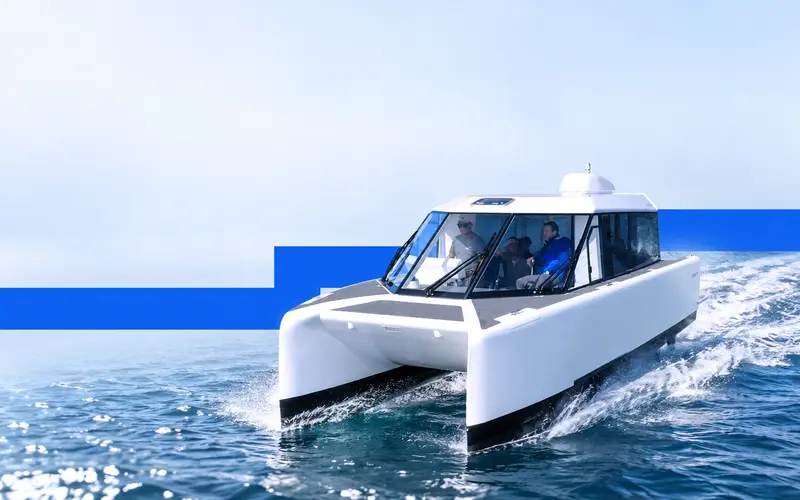
During a New York Harbor demonstration, an electric boat built by New Zealand company Vessev lifted its hull about 45 centimetres above the water. Its apparent flight depended on hydrofoils: submerged wings that generate lift as water flows around them.
Raising the hull reduces contact with the water and therefore drag. Vessev estimates that its design cuts drag by about 66%, a claim specific to its vessel rather than a universal hydrofoil saving. Lower resistance is particularly valuable for battery propulsion: reducing energy demand could extend range without requiring larger, heavier batteries.
The technology already serves passengers. Vessev operates electric sightseeing trips in Auckland, while Candela has a hydrofoil commuter ferry in Stockholm. Candela claims energy savings of up to 80% against comparable conventional boats. That figure concerns energy use, whereas Vessev's figure concerns drag; they describe different measures.
However, widespread adoption depends on more than efficiency. Operators must balance passenger capacity, battery costs, route suitability and charging time between departures. Electric motors eliminate exhaust during operation, but the broader environmental benefit depends partly on electricity generation. Conventional electric ferries can also reduce waterfront pollution without hydrofoils. These vessels offer another transport option for cities around water, rather than a solution for every route or traffic problem.