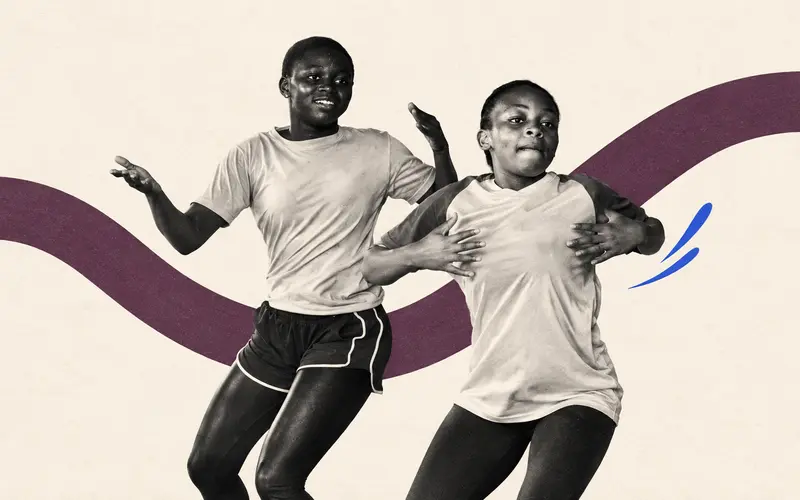
Burkina Faso’s Deaf Dancers Feel Music Through Vibrations
Saturday, September 19, 2026217 words3 minutes321 reads
Fientan Company’s dancers may look as though they follow drums by ear. But the Bobo-Dioulasso, Burkina Faso, troupe includes deaf and hard-of-hearing dancers. Their coordination relies on Vibra-Signe, an approach devised by choreographer Yaya Sanou that treats rhythm as a physical, visual experience.
The system combines sign language, visual gestures, facial expressions, touch, and vibrations from the body and ground. Bare feet can pick up a resonance from the floor; a tap can communicate tempo. As Sanou describes it, performers link music, dance, and sign language. These signals can help dancers follow timing and movements, but they do not mean every deaf person experiences music in the same way.
Sanou began dance workshops in 2006 after seeing a lack of activities for deaf people in his city. The work led first to an association and later to Fientan, which was founded in 2018. The group won the 2023 gold medal in dance creation at the ninth Games of La Francophonie in Kinshasa for Adepte de mon être.
The performance deals with the experiences of people with disabilities and their effort to claim a place in society. Vibra-Signe is one example of an inclusive artistic method, not a definition of what deaf dancers can or cannot do. This challenges audiences to see music as sound, movement, and vibration.