AI Searches for Patterns in Animal Sounds
Thursday, September 10, 2026217 words3 minutes3070 reads
AI is giving animal-communication research a way to process recordings that take people years to sort manually. The immediate aim is not an animal version of Google Translate. It is to identify structure: repeated calls, individual voices and links with behaviour.
Earth Species Project's NatureLM-audio is designed for bioacoustics. Developers say it was trained across animal recordings, speech and music. It supports detection and species classification, including unfamiliar species, but does not show it understands animal meaning.
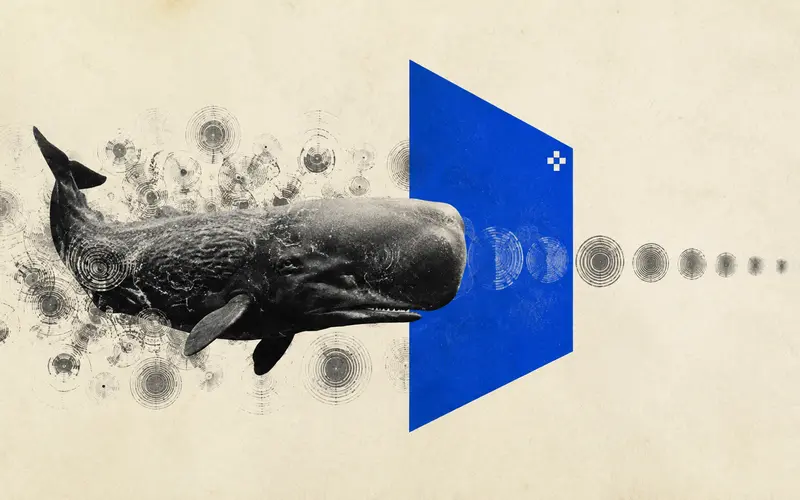
Studies of particular animals offer clues without completing the translation puzzle. Project CETI examined 8,719 sperm-whale codas and proposed a phonetic alphabet with contextual and combinatorial features. Zebra-finch research by Julie Elie found that birds confused calls with similar meanings more often than calls that merely sounded alike; it won the 2026 Coller Dolittle Prize. These findings suggest rich communication systems, not a confirmed human-like language.
The distinction is important when researchers consider two-way communication. Playing an artificial sound to a wild animal could alter behaviour in ways humans do not understand. It might cause alarm or interfere with feeding, mating or travel. Careful observation, independent testing and ethical limits therefore matter as much as better models. AI may help people listen at scale, but it cannot yet tell us exactly what an animal is saying—or whether humans should answer.