AI Can Count Elephants in Hours, Not Months
Wednesday, November 11, 2026213 words3 minutes569 reads
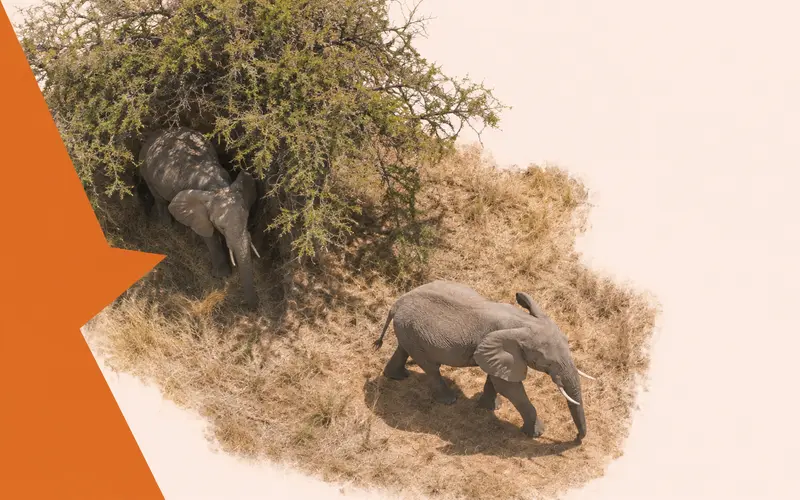
Artificial intelligence is accelerating the analysis of aerial wildlife photographs in Kenya. Save the Elephants says a 2017 survey produced approximately 200,000 images, which nine people examined over nine months. AI can complete a similar analysis in hours, flagging possible animals for human review; the comparison does not establish performance on identical tasks.
The group reports that comparisons with traditional surveys revealed roughly one in three elephants had been missed by human observers. That finding concerns particular survey methods, not a nationwide deficit in official elephant records. Nor is automated detection infallible: rocks, shadows and trees can produce misleading matches. Human assessment remains essential.
More reliable counts can inform habitat protection and conservation funding, while archived images allow scientists to revisit questions. Yet the environmental trade-off matters. Computing consumes electricity, some data centers require cooling water, and emissions depend partly on the electricity source. The International Energy Agency estimates global data-center electricity use could more than double by 2030. That projection covers many digital services, not just wildlife AI.
Conservation groups can limit intensive computing, reuse results or process data near its collection point. The benefit is time redirected from searching photographs to interpreting evidence. AI supports conservation decisions; it neither removes the need to verify results nor replaces protection on the ground.