Why Is This Desert Museum Built Underground?
Sunday, October 25, 2026161 words3 minutes411 reads
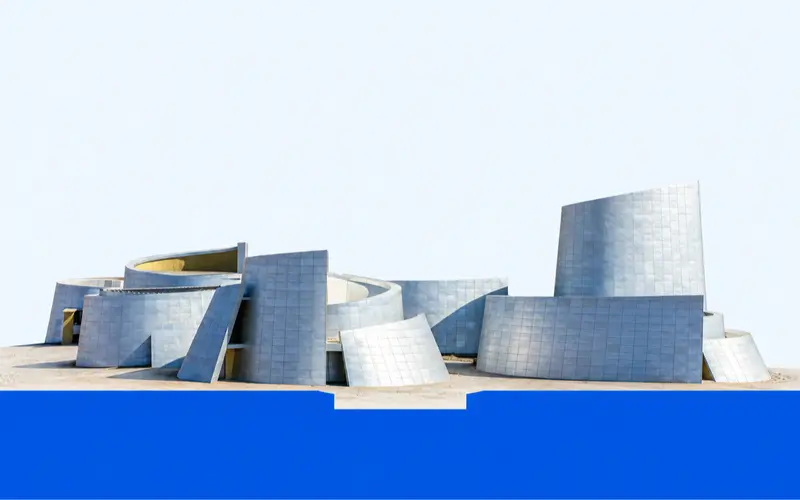
A new museum in China's Gobi Desert has silver shapes above the sand, but most of its rooms lie about eight metres underground. The Hami Pterosaur Museum opened in September 2026. It displays fossils of flying reptiles, animals that were not dinosaurs.
The desert brings hot summers, freezing winters and sandstorms. Underground, temperatures change more slowly because soil slows the movement of heat. This protects the rooms from extremes and reduces the need for heating and cooling. Much of the building is also sheltered from wind and sand.
Special passages allow fresh air to move through the museum. Other structures carry daylight down into the halls. Air-conditioning remains available, but natural processes help it do less work.
The design team estimates about 94% less electricity for air-conditioning and nearly 50% less for artificial lighting than a conventional building above ground. These are design estimates, not savings confirmed over years of use. Underground construction also depends on local soil, weather and costs.