Why the Crying Emoji Became a New Digital Signal
Monday, August 24, 2026162 words3 minutes3916 reads
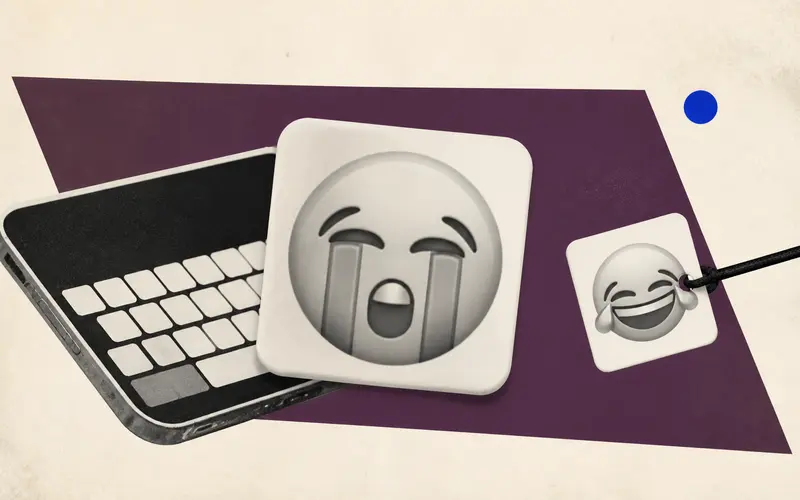
The crying emoji 😭 has become one of the clearest examples of how online language is evolving. Younger users now send it to express not just sadness, but also extreme humor, embarrassment, excitement, or emotional intensity.
Google's data shows that the laughing emoji 😂, which dominated for years, has declined in popularity. By 2025, social media analyses identified 😭 as one of the most-used emojis across different platforms. The shift is particularly visible among Gen Z and Gen Alpha, who view 😂 and 🤣 as overused or associated with older generations.
The meaning of emojis often depends on context. A message like "This is so good 😭" usually expresses delight rather than grief. Similarly, the skull emoji 💀 can mean something is extremely funny. Linguists describe emojis as digital paralanguage—visual signals that add emotion and social information to written messages. Since text cannot convey facial expressions or tone of voice, emojis help readers understand the intended meaning and can mark group identity.