Can Dry Ice Clear Southeast Asia’s Toxic Haze?
Monday, October 19, 2026165 words3 minutes476 reads
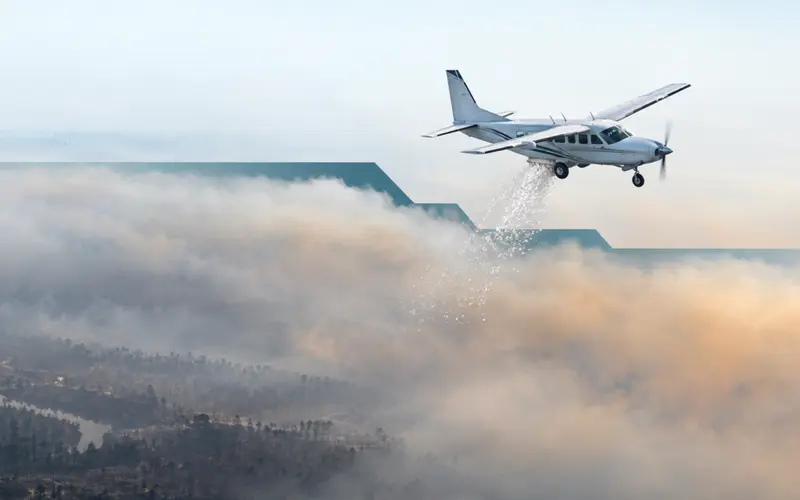
For months, smoke from fires in Indonesia has spread across Southeast Asia. Schools have closed, and people have stayed indoors. On October 15, Indonesian authorities began a trial in South Sumatra. They planned to release about 1.5 tons of dry ice from planes. Dry ice is frozen carbon dioxide.
The experiment aims to move smoke, not put out fires. Usually, warm air rises and carries pollution upward. Sometimes warmer air sits above cooler air near the ground. This is called a temperature inversion. It acts like a lid and traps smoke below. Officials hope dry ice can cool the upper layer and let the trapped air rise. They hope visibility will improve, but the method is unproven.
The fires remain the main source of pollution. Many burn on peatland, where dried plant material can keep burning below the ground. Indonesia is also using cloud seeding to encourage rain and fight the fires. Dry ice may move smoke; cloud seeding aims to make the land wetter.