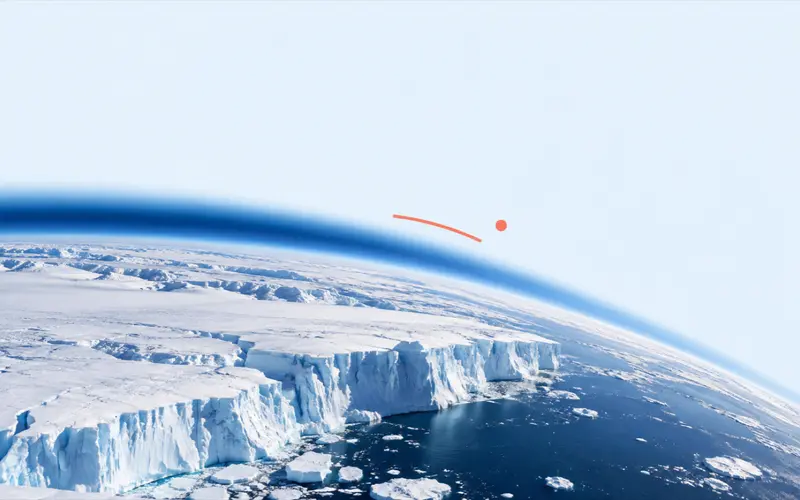
Antarctic Ozone Layer Shows Signs of Recovery
Friday, September 25, 2026155 words2 minutes276 reads
At a lecture in Taipei on Sept. 19, 2026, atmospheric scientist Susan Solomon described the Antarctic ozone layer as a major success for science and international policy. Her work helped explain why a dramatic ozone decline appeared over Antarctica in the early 1980s.
CFCs were used in products such as refrigerators, air conditioners, and spray cans. They can remain in the atmosphere for decades. Sunlight can break them down and release chlorine atoms. The atoms can take part in reactions that destroy ozone again and again.
Solomon found that Antarctica's extreme cold creates polar stratospheric clouds. Their surfaces help activate chlorine. When sunlight returns in spring, ozone destruction speeds up. Scientists' evidence helped lead to the 1987 Montreal Protocol.
The treaty later reached 197 United Nations member states and reduced CFC concentrations. Measurements show the ozone hole is forming more slowly. Still, recovery will take decades, and wildfire smoke or CFC leakage could slow it.